Author #FiveSibesMom & Her #FiveSibes
"When you live with Siberian Huskies, you always have a story to tell!"
#NEAM EpiStar "Athena": Rescued From Cruelty to Living in a Loving, Forever Home
Get link
Facebook
X
Pinterest
Email
Other Apps
Epi-Star, "Athena"
by Dorothy Wills-Raftery
W elcome to National Epilepsy Awareness Month, also known as #NEAM! November is a special month here, as it is where I highlight not only information on Canine Epilepsy, but also
share amazing stories about Epi-dogs (dogs who have epilepsy).
Inspired
by
my own Epi-dog Gibson’s story, I wrote the book multi-award winning EPIc Dog
Tales: Heartfelt Stories About Amazing Dogs Living & Life With Canine
Epilepsy, where I share stories of amazing Epi-dogs across
the world. This all launched my Epi-Star series here on my blog that is now in its fifth year, where I continue to feature stories about these amazing
dogs who have Canine Epilepsy, but never let
that
stop them from
loving life. Through this, and in my Gibson's name, we have formed a unique and caring community
where we connect with with other Epi-dog
caregivers, rescues, and veterinarians who care for them. We have become
a wonderful network of vetted information and a network of support and
camaraderie.
Today, I'm pleased to share with you a FiveSibes #LiveGibStrong #NEAM Epi-Star feature about a gorgeous Native American Indian Dog and Siberian Husky mix named "Athena."
Beautiful, well-loved Epi-dog "Athena" today!
Athena’s story is absolutely incredible. I am not lying when I said this one had me tearing up learning about this beautiful girl's start in life. Sadly, she had a very rough beginning, and it's heartbreaking. As it was highlighted in the news, she was one of 29 dogs who were rescued in September 2019 from a horrific cruelty situation—they were living in deplorable conditions in Manistee County, Michigan, when according to a news report from Fox 17 West Michigan, “Animal Control Deputy and a Manistee County Sheriff’s Deputy went to the scene in question and found 29 husky and husky mixes in a home and barn. The investigation revealed the animals range from 4 months to 9-years-old. Officials say the animals were eating and sleeping on a concrete floor in the barn, which was covered in urine and feces.”
It's mind-blowing to think that humans could cause this horrible suffering to innocent animals even.
And Athena was one of them.
Heartbreaking image: The "Manistee 29" rescued by Hairy Houdini Siberian Husky Rescue
That's when Hairy Houdini Siberian Husky Rescue (HHSHR) stepped in and rescued all of the huskies, tended to their urgent medical issues, and found immediate foster homes, including one with Kevin Parson, an HHSHR foster and volunteer.
According to Kevin, “We call (them) the Manistee 29 (due to the county they were found in). This video will explain some of her back story. (Note: have some tissues handy)...
Kevin fostered Athena the same month they were rescued when she was just five months old. “She had to learn eat, play and everything in between” due to her condition when found and rescued. Two month later, on November 26, 20219, it became Athena’s Gotcha Day—the say she was officially made a member of Kevin’s family! “I decided she was going to stay with me and I filed (to adopt her) and kept her!”
Foster failed adopted puppy "Athena" shortly after being spayed and resting peacefully in her forever home with Kevin.
Fast forward to 2021/2022, Kevin recalls when Athena had her first seizure. “It was a grand seizure around 3am. I contacted her vet, and we waited and watched to see if it would happen again. It did. Kevin says at first Lyme disease was suspected, but that was ruled out. “She was tested and was diagnosed with idiopathic epilepsy...and started with low-dose Phenobarbital regimen. That medication continued to climb in dose as it did not regulate the seizures, and she continued to have more in clusters of two to three.”
“Idiopathic epilepsy is a neurological disorder characterized by recurrent seizures with no identifiable underlying cause. A seizure occurs when there is abnormal, excessive activity of brain cells (neurons), particularly within the brain hemispheres (the cerebral cortex). Idiopathic epilepsy is diagnosed when no cause is found. Some cases of idiopathic epilepsy may not require treatment initially (depending on the frequency and severity), but once treatment begins, they often necessitate lifelong management with oral anti-seizure medication and ongoing monitoring. The exact cause of idiopathic epilepsy is unknown, but a genetic component is known in some breeds and suspected in others. Dogs with idiopathic epilepsy typically begin having seizures between 6 months to 6 years of age, with a median age of onset of 2.5 years. The frequency of seizures varies widely.”
But for Athena, Kevin says, “After almost a year, we were topping out on the Pheno levels and added Keppra, which controlled the seizures for the time being. Soon after, we started to wean her off the Pheno and introduced Zonisamide in 2023. That a game changer!”
But then also in 2023, Kevin says, “Athena blew out her right knee and had to have Xrays and a knee reconstruction done.” Kevin recalls how nervous he felt with her undergoing surgery due to her history with seizures. “We then added Gabapentin and Carprofen, and set up the surgery date, which was July of 2023. Athena had at least six grand mal seizures, and that’s when Zonisamide was introduced.”
In total, Kevin notes Athena’s anti-seizure medications are: Zonisamide 300mg twice daily, Keppra 750mg every 8 hours, Gabapentin 100mg every 12 hours, and Carprofen 50mg every 12 hours. Kevin keeps Athena’s medication on a strictly timed regimen, which is very important for an Epi-dog. “Everything with Athena’s meds is timed and I have set an alarm for it. I have an hour window to get her meds into her.”
Imagine where "Athena" originally was rescued from; never knowing love, kindness, safety or even what a toy was. Now, she has it all, including all the toys she can snuggle with the safety of her forever loving home.
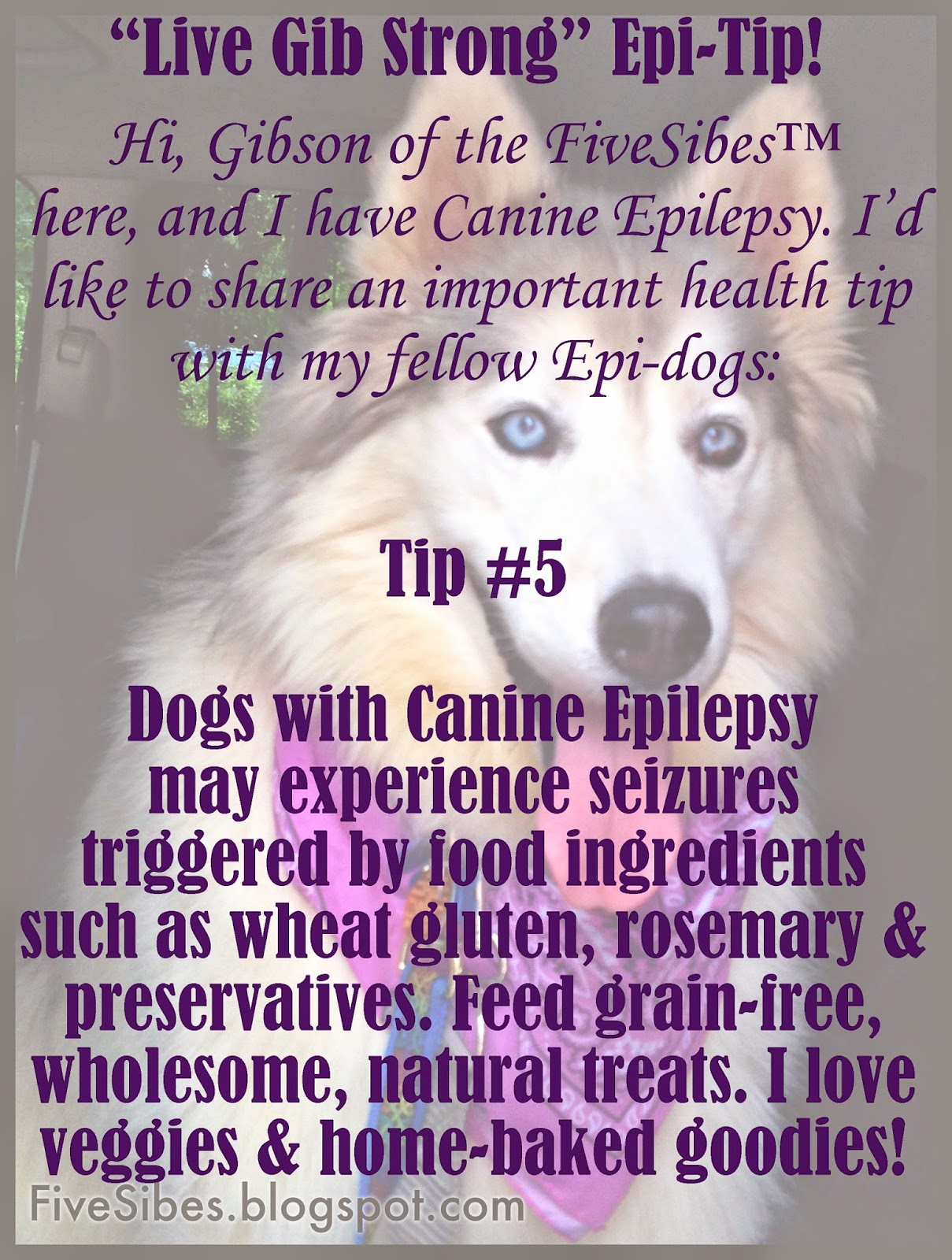
In addition to traditional medications, many Epi-dogs are on particular diets as certain ingredients can trigger seizures. Mainly, ingredients to steer away from include rosemary, gluten, and preservatives. Although, some dogs also may have intolerance to grains, and even certain meats. Kevin says he feeds Athena “Purina One Lamb (which has Microbiome Balance® for gut and immune support) and Rice, Treats: Dr. Tim’s freeze dried treats or freeze dried chicken pieces."
Studies have been conducted, and are still being investigated by veterinary neurologists and researchers about the link between the gut and brain. Under the "one health" collaborative approach of studying diseases, ailments, and treatments for both humans and animals, there are some important findings. In an interesting article in Cure Epilepsy, the studies were with humans, and it stated, "Research aims to understand how gut bacteria can impact seizure development, inflammation, and neurodegeneration. To better understand the role gut bacteria may play in epilepsy, Dr. (Tore) Eid and his team analyzed brain fluid samples from people with focal epilepsy. They found that epileptic brain regions had increased levels of certain amino acids called branched chain amino acids, which can be made by gut bacteria. Levels of some of these branched amino acids increased in the brain three hours before a spontaneous seizure occurred, while levels of other branched amino acids increased an hour before. This may indicate that there is a 'fine-tuning' of these amino acids happening within the body which potentially impacts seizure occurrence."
"Idiopathic epilepsy (IE) is the most common chronic nervous system disorder of dogs, and its cause is poorly understood. Emerging evidence suggests that microbiome alterations can occur with IE via the microbiota-gut-brain axis. Our findings suggest a relationship between gut microbiomes and IE. However, the specific mechanism needs to be further investigated." ~Excerpt from the Gut Microbiome Alterations in Canine Idiopathic Epilepsy: A Pairwise Case-Control Study. Full article on the study can be read in the National Library of Medicine PubMed®
In addition to Athena's anti-seizure medications and special food and treats, Kevin is a devoted hu-dad and sees to every possible need to help ease Athena's epilepsy journey. “I have her kennel trained, and a camera set to motion on her when i am not home. I work within five minutes from home, and have emergency meds in my supply, and her vet gets a call after ever seizure.”
Kevin also keeps a journal of her seizures to track everything. “I keep logs, cameras, and a stop watch all on hand.” He has a “Roku indoor camera set to motion, and she has a Retriever 48 inch kennel, and she is put in there naked ( no collars or harness on ). And she has a medical alert tag (I make them) on her collar” at all times.
Kevin also says Athena’s vet is a half hour away, “And on speed dial at all times. (Her vet is Dr Tim from Dr. Tim’s dog food, notes Kevin. Dr. Tim owns his own veterinary clinic he founded in 1993, Bayshore Veterinary Hospital in Marquette, MI. And, according to the Dr. Tim’s website, “He has also raced Alaskan Huskies, including three Iditarods, and has volunteered as an Iditarod race veterinarian and judge. Between the exam room and the sled runners, he’s seen how food shows up in a dog’s energy, endurance, recovery, and digestion.”
Thankfully, Athena’s life now is so far from her rough start in life as a puppy. She has her loving forever home with Kevin, and her equally beautiful packmates “Aries” (an AKC Siberian) and “Juneau” a Malamute/Husky)!
"Athena" top right with her packmates, "Aries" and "Juneau."
“Don’t stress. You can’t change what happens; just work with it and try to prevent harm. Keep logs, set alarms, and have a plan in place for when a seizure does happen.”
~Kevin Parsons, Athena’s hu-dad and a Foster and Volunteer with Hairy Houdini Siberian Husky Rescue
“When a seizure does happen, the other two are either let outside or kenneled until it is safe as Athena can be violent coming out of one.”
This is a very good practice to do when an Epi-dog is part of a pack family. Many non-Epi-dogs can be confused by a seizing dog and they may become frightened or even possibly attack the seizing dog. Sometimes the Epi-dog, as in Athena’s case, can be violent coming out of a seizure. For the safety of all dogs involved, it’s always best to remove other pets from the Epi-dog’s area when s/he is in the throes of a seizure.
Kevin vows he will always be there to help his beloved Athena. “I will devote my life to taking care of Athena until the day she makes the decision (to go) and not before.”
In between her seizures, she is such a happy dog! "Athena loves to run and hop around with Aries and Juneau, and loves sun rolling on her back!" Kevin says joyfully.
And the best news? After just reviewing the times and medications with his vet, Kevin happily announces, "Athena hasn't had a seizure (so far) since July 7, 2023!"
Happy 7th Gotcha Day, Athena!
"Athena's" 7th Gotcha Day is on November 26 - Thanksgiving Day! And she's celebrating
3 years and 4 months of being seizure free!
Huge wooooos goes out to Athena! May her Gotcha Day be full of love, hugs, and play. And most of all, may her seizures continue to be managed! And an equally huge round of applause to her hu-dad, Kevin, for being a successful "foster fail" and giving Athena all the care and love she deserves.
Kevin emphasizes an important reminder to other caregivers on this rollercoaster journey called Canine Epilepsy. “Don’t stress. You can’t change what happens; just work with it and try to prevent harm. Keep logs, set alarms, and have a plan in place for when a seizure does happen.”
"Every new beginning comes from some other beginning's end." ~Seneca
Fostering truly saves lives, like Athena's. Please don't fear caring for a dog with epilepsy. Today, there is much information, research, medications, holistic therapies, clinical trials, support groups, and resources available to you so you can learn about Canine Epilepsy, and then have an informed discussion with your vet...and...also know, you are never alone.
If you'd like to foster or adopt a dog from Hairy Houdini Siberian Husky Rescue, please visit their website to check out their beautiful adoptables! You can also follow them on their HHHSHR Facebook page.
Caregivers
of dogs with epilepsy are amazing folks. It's so important to remember
to care for yourselves, as well as your Epi-dog! Please be sure to watch
my special slideshow "Caring for the Epi-Dog and Caregiver: The Importance of Self-Care"
If you are looking for information on Canine Epilepsy, check out our FiveSibes #LiveGibStrong K-9 Epilepsy Online Resource Library
where you will find accurate and vetted information you can trust
including links, articles, podcasts with vets and veterinary experts,
helpful tips, bookmarks, where to go if you need financial help with
epilepsy medications,. Epi-Star success stories, and much more. It's a
great place to seek out information so that you can have an in-depth
conversation with your vet about your Epi-dog's care.
A percentage of sales will be donated to Canine Epilepsy Research.
If you prefer, you can Email me at ArcticHousePublishing(at)gmail.com
and put EPIc Dog Tales in subject line and I will send you an invoice where you will have a variety of ways to pay. Please note, there is a limited quantity of print books.
💜
Note: These
are the personal stories of Epi-dogs as told by their families. As
always, discuss any medications, alternative treatments, new foods,
etc., with your veterinarian first before giving to your dog.
What an amazing story! It's so heartwarming to discover folks like Kevin. It's reaffirming to realize there are good people who are willing to take care of special dogs like Athena. Thank you so much for sharing her remarkable story. Happy {albeit early} Gotcha Day, sweet girl. 💜💜💜 And Happy Thanksgiving!
FiveSibes #Flashback Photo ~ Gibson & His Purple Pumpkin ~ 2014 W oo! Or, should I say Booooo! It's that time of the year when pumpkin hunting and carving is fun thing to do! And, while we are all busy carving and displaying our artworks on the gourds, did you remember to make a purple pumpkin? "Woo! What's in my purple pumpkin? Treats?!" ~Gibson/FiveSibes A Purple pumpkin? What?! If you've been a FiveSibes follower, you know how important the color of purple is to us, and why Purple Pumpkins are a staple here.If you are new to us here at FiveSibes, I initially joined in the Purple Pumpkin Project because we made our pumpkin purple for my Epi-dog Gibson. So, you might be asking yourself, Why was Gibson's pumpkin purple? For Canine Epilepsy Awareness! You can read more about it in our video further down in this post, or by visiting a previous explanatory post HERE. Follow the Purple Pumpkin Project on Facebook! In a pumpkin shell—as m...
*Updated March 2022 Our Vet-Approved FiveSibes #LiveGibStrong "Cooling Down an Epi-Dog: Where Do I Put Cold Packs?" Informational Poster Poster Is A Great Resource for: ✔︎ Veterinarian Offices ✔︎ Vet ER Hospitals ✔︎ Rescues & Shelters ✔︎ Dog Wardens & Animal Control Officers ✔︎ Trainers ✔︎ Groomers ✔︎ Dog Walkers ✔︎ Dog Parks ✔︎ Pet Supply Stores & Boutiques ✔︎ Dog Friendly Businesses ✔︎ Police Departments ✔︎ Fire Departments To request FREE* printed copies, simply send an Email with #Paws4Purple Materials in Subject line and what you'd like copies of and how many, to: Debra@AKFUS.org of the Purple Day® Every Day as Presented by The Anita Kaufmann Foundation For More Info on Canine Epilepsy, Please Visit Our #LiveGibStrong Online Library & Resource Page HERE. Here's a great tip, diagram and explanation from Tallgrass Acupuncture Institute as to why ice on certain acupressure poin...
Dewclaws. Such an unnecessary evil for a dog. In August, I noticed Harley limping. At 11-and-a-half, she is a bit stiff-legged at times from arthritis, but this was a more pronounced limp and she was having an extra tough time sitting down. She seemed very uncomfortable. She was also becoming a bit snarley, especially when I was touching her paw, which is something that never typically bothers her. Upon further checking, I noticed an odd lump around her dewclaw on her right leg, thinking it was possibly a pulled dewclaw, maybe a splinter, thistle, or even a bee sting , she became extremely agitated when I touched it. (Warning: some photos may be somewhat graphic, but I am sharing for educational purposes). Oddity beneath the dew claw. Off to the vet we went. At the vet, Harley is protective of her paw by hiding it . Harley's paw was shaved and it uncovered a very large inflamed area surrounding the dewclaw and beyond, as you can see in ...
You most likely have heard the recent news about the "Freedom 46" - the 46 dogs (mainly Cocker Spaniels, plus a few other breeds) the Oldies But Goodies (OBG) Cocker Rescue helped to rescue from a property in Virginia. It just boggles the mind that people can treat animals in this manner...we hear story after story, and in this case, these poor dogs were residing in a "hot barn without anyone to give them proper exercise or keep their water dishes filled. Many were covered with their own feces and urine. OBG worked with Animal Control and with the support of the Virginia Federation of Humane Societies to remove these dogs from that property," states Teresa Butler, the president of the OBG. "The dogs rescued from this property are now safely boarding with veterinarians that work with OBG and will be evaluated by veterinarians over the course of the next week with the goal of moving them into foster homes as quickly as possible. Unfortunately, we do n...
Original photo by and courtesy of Lisa Byrd; modified by FiveSibes The Rainbow Bridge must be some (p)awesome place to be for it has so many amazing, beautiful angel animals there. My beloved Gibson is there. As is my Chelsey, Sandy, kitty Smokie, bunny Sunny, my fox Ah, many horses, and so many others pets. We have many furfriends who have also crossed The Rainbow Bridge. All of these beloved animals are there...so healthy and happy, with all the dogs enjoying their zoomies and playing Fetch all day in a land that is eternally beautiful. Sounds perfect. Only catch is when our devoted companions are there, we can no longer physically be with them. So while they are in a place where the spirit soars, our hearts are broken as we are missing them here with us. It is a hurt we all as pet parents now way too well. And today, as unbelievable as it seems as I write this, we have to bid a final farewell to another dear furpal, Buddy, the Christmas Husky , who has now earned h...







My goodness, you are absolutely stunning sweet Athena!
ReplyDeleteWhat an amazing story! It's so heartwarming to discover folks like Kevin. It's reaffirming to realize there are good people who are willing to take care of special dogs like Athena. Thank you so much for sharing her remarkable story. Happy {albeit early} Gotcha Day, sweet girl. 💜💜💜 And Happy Thanksgiving!
ReplyDelete